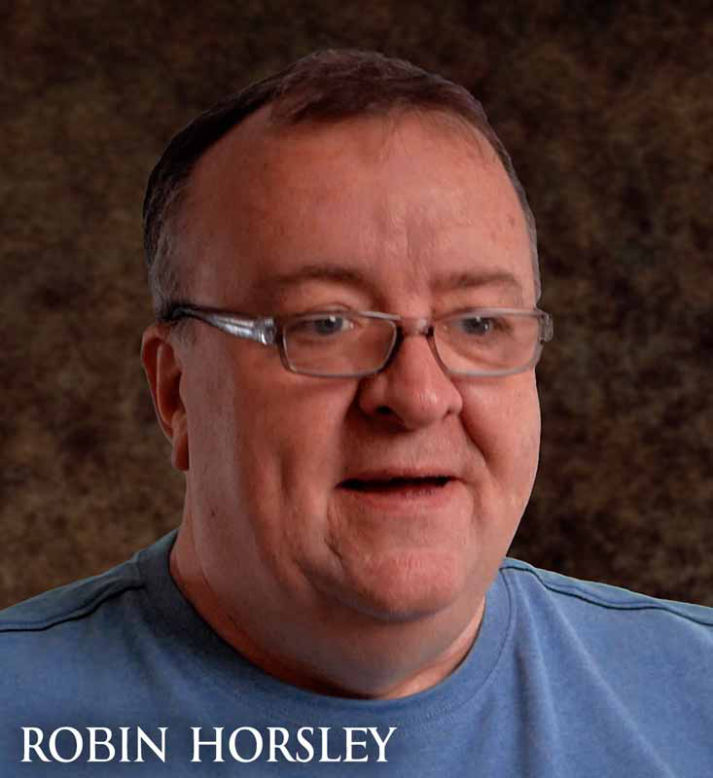
Memoirs Film is owned and run by Robin Horsley.
Robin started making commercial videos for business around 20 years ago before moving into filming events and conducting interviews for promotional videos.
Robin is an experienced interviewer, film maker and video editor - as can be seen from the examples of work on this site.
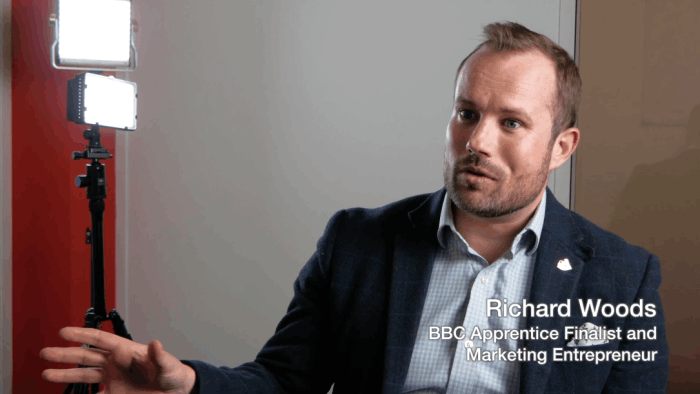
Over the last few decades the cost of producing high-quality video has progressively reduced as the cost of equipment has fallen and the speed and capabilities of editing systems have increased.
Only a few years ago, the typical production cost of an hour long, ‘television-quality’, edited video would have cost in excess of £20,000.
Robin explains how the idea for Memoirs Film emerged:
‘I found I was increasingly encountering people who were thinking about using video to tell their stories. Either to tell a story about their own life-experiences to leave for family and future generations, or to capture the story of family members or friends as a kind of digital keepsake or heirloom.’
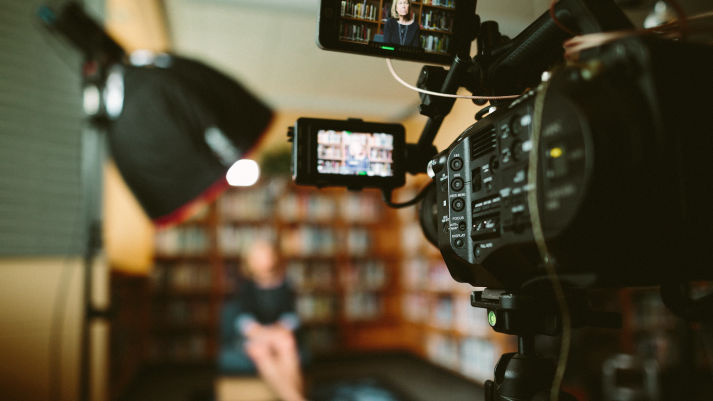
‘But. There is more to it than simply pointing a phone or digital camera at someone. There is the lighting setup, recording high quality sound, the whole process of planning an interview and conducting it in a way that draws the story out in a logical, comprehensive sequence. And, to make it all compelling to watch, it needs to be concisely edited with images, and video (if available), titles, captions and graphics.’
‘I realised that, with reduced costs of production, I could use my skills and experience to provide a package of all the essential elements as a really cost-effective professional solution.’
Anyone who has ever lost a parent, a close relative or friend knows how it feels to wish that you could see that person again, hear them speak and enjoy their own unique way of communicating. There are often many unanswered questions about people’s lives after they are gone. A video memoir provides a uniquely accessible way to leave your story behind and to share more with others than would otherwise be left as little more than fragmented memories and fading photographs.
For the interviewee, the process of recording a filmed memoir and sharing their life-story with an experienced interviewer, can be a deeply cathartic and fulfilling experience.
Some have said that, having completed the process, a sense of unrealised obligation felt as if it had been lifted from their shoulders. It feels somehow liberating to pull together the many strands of a life lived and to reflect on the consequences, outcomes and connections between events.
There is often a sense of closure that settles afterwards.
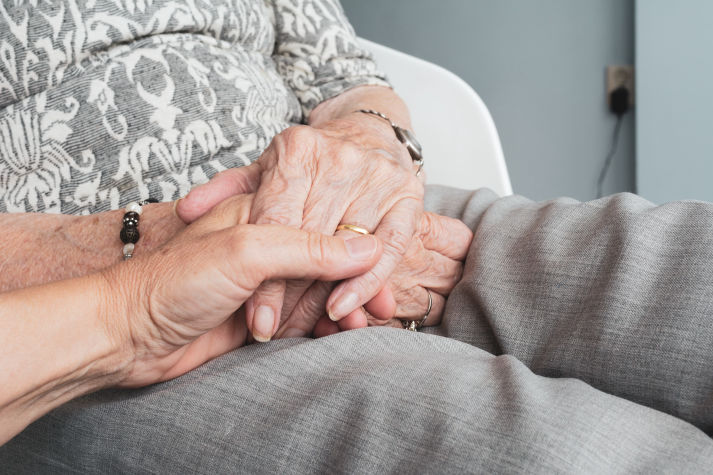
Our own life story is perhaps the most important story that we know and we, a partner or very close friend are the only ones who can tell it accurately and precisely; how it was and how it really felt at the time.
A filmed memoir is the most authoritative and informative account of a unique life that can be created. Words on a page can be interpreted in many ways but a film delivered in an individuals own way, in their own words, with all the nuances of their own delivery, is truly authentic.
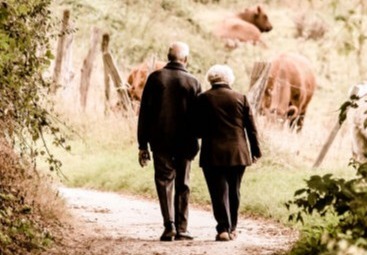
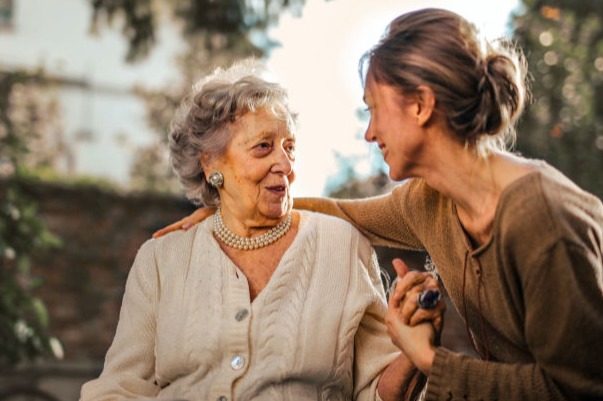
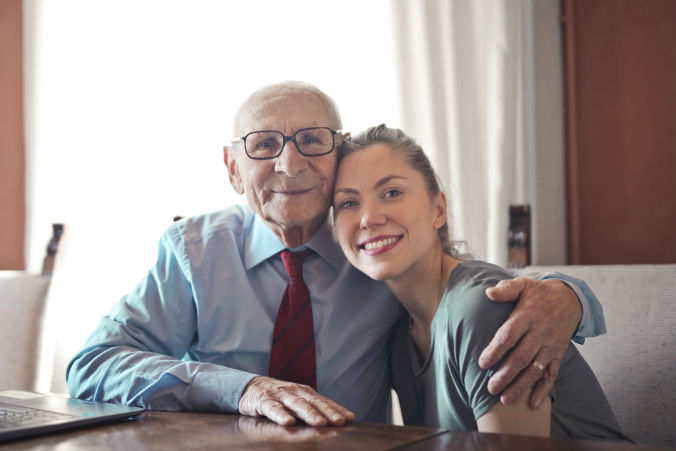
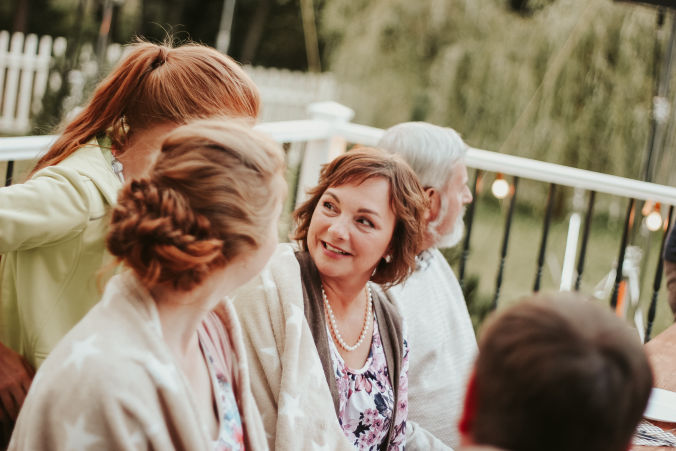
It is often the case that only when people become older they become interested in their parents, grandparents and ancestors lives but filmed memoirs can, perhaps surprisingly, often change that.
Robin explains:
‘We didn’t anticipate this when we started Memoirs. But we immediately observed that the younger generations in families were, in some ways, the most inclined to watch the films that we create.
Perhaps they wouldn’t necessarily sit down for hours and ask question after question of their older relatives. But they would very keenly watch a filmed memoir in which those questions were being answered.
And then of course.. they wanted to spend more time with them. ’
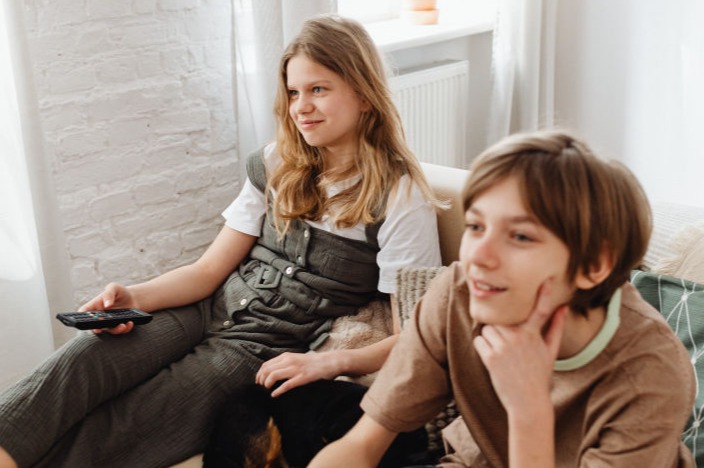
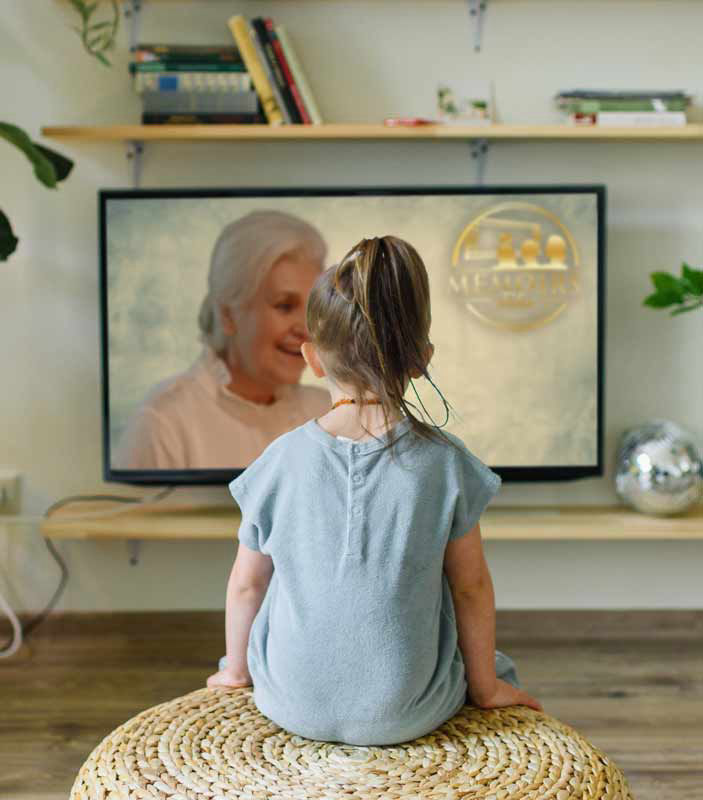
Watching and listening to a parent or grandparent telling their story inevitably draws family members to spend time together as they gain a better understanding of that person and can relate to their life experiences. The photographs and narrative within the film enable the younger generations to see their older relatives as they were at their age and in younger years and see themselves reflected in those experiences.
Robin shares his thoughts on this and some related points:
‘To understand who we are as individuals, I think we need to know where we came from. Hearing and seeing parents or grandparents sharing their story and reaching back into history for recollections of older family members gives people a greater sense of who they are - and therefore greater sense of grounding and well-being.’
‘Many of us have emotional baggage as a consequence of our upbringing or events that affected our lives in childhood. Understanding our parents or grandparents story can often be the key to coming to terms with issues that impact or limit our lives.’
A filmed memoir can also be a lasting way to pass on advice or wisdom gained from life experience.
But whatever the reasons are for deciding to produce a filmed memoir, they are all in essence a unique collection of golden memories to be treasured and enjoyed by potentially countless generations of future descendants.
Memoirs Film Specialise in Producing High Quality, Life-Story Documentary Films.
Phone / Email - Click Here
Memoirs Film is based in Surrey, UK.

Made with
HTML Code Creator